Ingredient Awareness
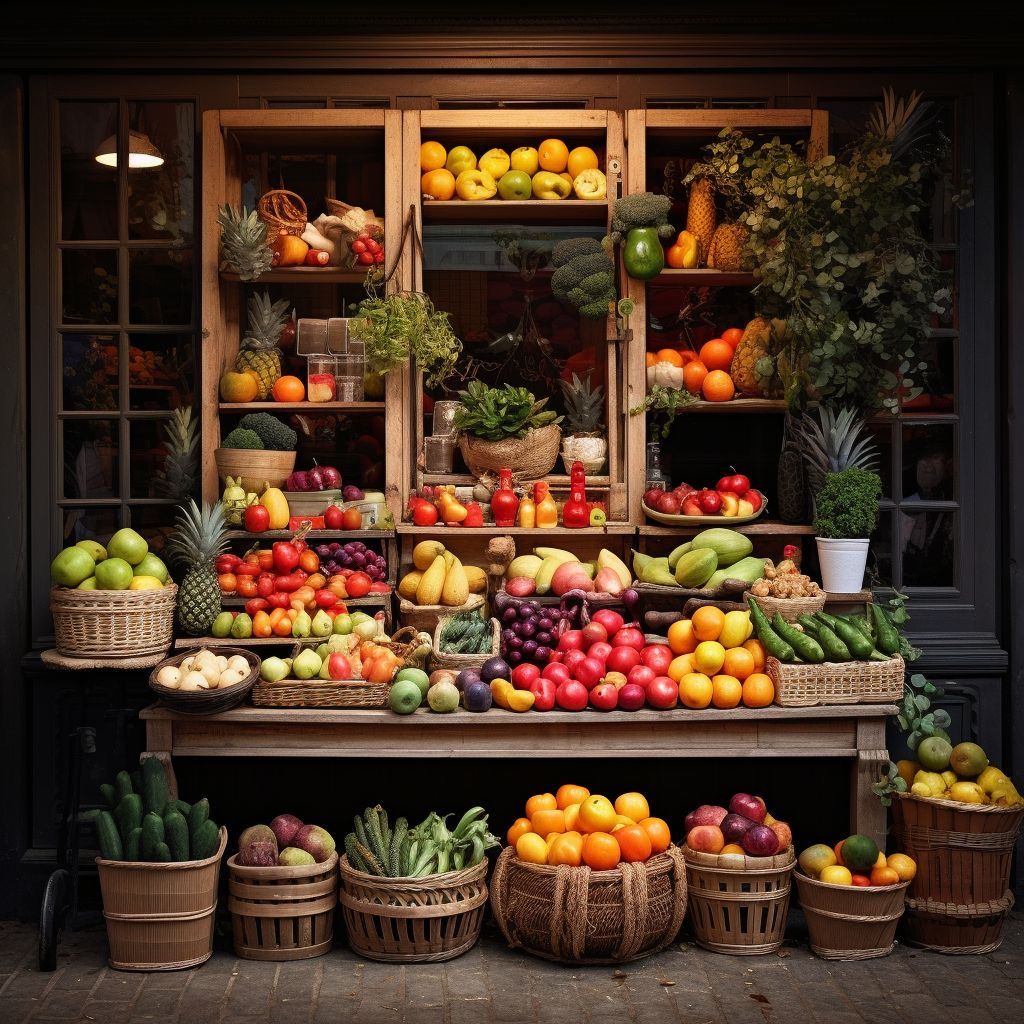
Understanding where ingredients come from, how they are stored, and when they are at peak quality leads to better cooking decisions and less food waste over time.
Our educational content covers foundational cooking skills, ingredient literacy, and practical routines for preparing home-cooked meals. All materials are informational and designed to support independent learning at your own pace. They do not constitute professional dietary guidance.
These principles guide every piece of content we publish. They reflect a practical, research-based approach to food preparation without making outcome claims of any kind.
Understanding where ingredients come from, how they are stored, and when they are at peak quality leads to better cooking decisions and less food waste over time.
Mastering basic skills — knife work, sautéing, roasting, and emulsifying — creates a versatile toolkit applicable across many cuisines and recipe types.
Learning to estimate and measure servings helps home cooks prepare appropriate quantities for their household based on preference and appetite.
Before attempting complex recipes, familiarity with these core techniques provides a stable foundation. Our guides break each method into clear, sequential steps with visual cues described in text.
High-heat dry cooking that concentrates flavors in vegetables, proteins, and whole grains.
Gentle moist-heat methods ideal for delicate proteins, eggs, and broth-based preparations.
Preserves texture and color in vegetables while requiring minimal added fats or oils.
A well-stocked pantry reduces last-minute shopping trips and enables spontaneous cooking. These staples appear frequently across our recipe collections.
Brown rice, quinoa, lentils, chickpeas, and rolled oats form the base of many weekday meals. Store in airtight containers away from direct light to maintain freshness.
Extra-virgin olive oil, neutral avocado oil, apple cider vinegar, and rice vinegar cover most dressing and cooking needs with distinct flavor profiles.
Cumin, smoked paprika, turmeric, garlic, ginger, and bay leaves add depth without relying on processed seasoning blends.
Diced tomatoes, coconut milk, and low-sodium broth provide reliable building blocks for soups, curries, and sauces throughout the year.
Structured multi-week content series that walk readers through progressive skill development, from basic knife handling to composed plate assembly.
One-on-one informational consultations for individuals seeking guidance on meal organization, pantry setup, and recipe selection — not medical nutrition counseling.
Non-medical weekly meal outlines tailored to household size, cooking time availability, and ingredient preferences based on the information you provide.
Shouldereliminat offers several formats for individuals who want structured support beyond browsing recipe collections. All offerings are educational in nature.
Inquire About ProgramsDedicate 60 to 90 minutes each week to washing produce, cooking grains, and preparing one versatile sauce for the days ahead.
Keep a simple log of meals you enjoyed, noting adjustments made. This personal reference improves future cooking sessions.
Plan one meal per week specifically designed to incorporate remaining ingredients, reducing waste and saving preparation time.
Home cooking can offer more control over ingredient costs, but savings depend on what you buy and how you shop. Our content focuses on practical cooking skills and recipe organization, not financial or dietary outcomes.
Many of our most popular recipe outlines rely on affordable, widely available ingredients. Technique and seasoning often matter more than premium product selections for everyday meals.
Our content is general and informational. If you have specific food allergies, intolerances, or dietary requirements, consult a qualified professional before adapting any recipe.
Our four-week informational programs guide participants through themed recipe collections aligned with local ingredient availability. No outcome promises — just structured learning and kitchen practice.
Learn About ChallengesBrowse categorized recipe outlines organized by meal type, season, and preparation time.
Go to RecipesHave questions about our educational content or guidance services? We respond to inquiries within two business days.
Contact Us